Churchill Gardens rubbish removal guide for Pimlico flats
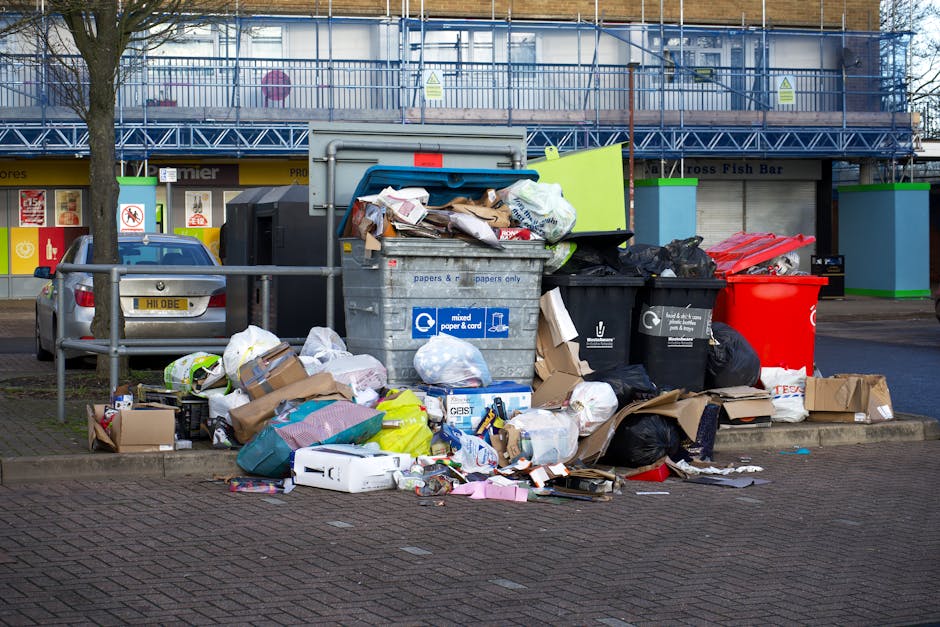
If you live in Churchill Gardens, you already know the small things can make rubbish removal feel oddly complicated: narrow walkways, shared entrances, lift timing, neighbour noise, and the simple fact that flat life rarely gives you much storage space. This Churchill Gardens rubbish removal guide for Pimlico flats is here to make the process straightforward. Whether you are clearing one bulky item, a few black bags, or an entire flat after a move, the right approach saves time, reduces stress, and helps you avoid the usual little headaches that crop up in London apartment blocks.
In this guide, you will find a practical breakdown of how rubbish removal works in Pimlico flats, what to prepare before collection, which services fit different situations, and how to avoid common mistakes. We will also cover useful compliance points, comparison options, and a realistic checklist you can actually use. No fluff. Just the sort of advice that helps on a wet Tuesday morning when you want the hallway clear before lunch.
Why Churchill Gardens rubbish removal guide for Pimlico flats matters
Churchill Gardens has a very particular rhythm. Flats are compact, access is shared, and rubbish can quickly become visible to everyone. That matters more than people think. A single broken wardrobe, mattress, or stack of renovation offcuts can make a tidy flat feel cluttered overnight. Worse, if items are left in corridors or by communal doors, they can create inconvenience for neighbours and sometimes even a safety issue.
Rubbish removal in a flat setting is not the same as taking stuff out of a house. In a house, you can often stage items in a drive or front garden. In a block of flats, you usually have to work around shared spaces, lift access, and building rules. That is why a practical guide matters. It helps you plan around those constraints instead of discovering them at the worst possible moment.
There is also the local reality of living in Pimlico. People want things done neatly and quietly, without turning a simple clear-out into a half-day drama. Fair enough, really. The goal is not just getting rid of waste; it is doing it with as little disruption as possible.
Expert summary: The best rubbish removal job in a flat block is usually the one nobody notices happening. Efficient, considerate, and fully cleared in one go.
If your clearance involves furniture, mixed household waste, or a larger flat move, it can be helpful to look at dedicated services such as flat clearance or broader waste removal support, depending on the size of the job. For bigger moves and end-of-tenancy jobs, home clearance and house clearance can also be useful reference points even for flat-based clearances.
How Churchill Gardens rubbish removal guide for Pimlico flats works
At a practical level, rubbish removal for a Pimlico flat usually follows a simple pattern: assess the load, decide what needs taking, choose the right service, and prepare the items so collection is quick and clean. The details matter, though. In a block like Churchill Gardens, that can include checking where the vehicle can stop, whether lift access is available, and whether the items need to be carried through shared corridors.
There are a few common ways this gets handled. Some residents book a one-off collection for bulky items. Others arrange a full flat clearance when moving out, downsizing, or clearing a property after a tenancy. A smaller job might only need a couple of items removed, while larger clearances may involve furniture, appliances, bagged waste, and loose bits from cupboards or balconies.
If you are dealing with furniture, it is worth splitting out what is reusable, what is broken, and what needs disposal. That makes the collection smoother and can improve recycling outcomes. For example, a sofa, a wardrobe, and a mattress may each be handled differently. You might want to look at furniture clearance for mixed items, or mattress and sofa disposal if those are the main problem pieces.
For appliances, different handling may be needed again. Fridges, freezers, and similar white goods can require careful removal because of weight and materials. In those cases, fridge and appliance removal is the more relevant route.
In short, the job works best when you treat it less like "dumping rubbish" and more like a structured mini-clearance. A bit of sorting at the start saves a lot of faff later.
Key benefits and practical advantages
The obvious benefit is space. Once the clutter goes, rooms feel larger, brighter, and easier to use. But the real value is often in the less obvious wins: less stress, better safety, faster cleaning, and a clearer view of what you actually need to keep.
For Churchill Gardens flats, the practical advantages are especially noticeable because storage is limited. Old furniture in a bedroom corner, a broken desk in the hallway, or bags of mixed rubbish on the balcony can make a flat feel smaller than it is. Removing those items can change how the whole home feels. Truth be told, sometimes a single cleared room changes the mood of the whole place.
- Faster turnaround: Helpful before moving day, end-of-tenancy cleaning, or a last-minute sale.
- Less strain: No lifting awkward items through narrow communal areas on your own.
- Better presentation: Useful if you are preparing a flat for viewing, letting, or refurbishment.
- Cleaner disposal: Many items can be sorted for recycling rather than being treated as mixed rubbish.
- Reduced neighbour impact: A planned collection is tidier than leaving items in shared spaces.
For people comparing options, it may also help to look at furniture disposal if the main issue is old household pieces, or builders waste clearance if the clear-out follows decorating or renovation work.
Who this is for and when it makes sense
This kind of rubbish removal is useful for a broad mix of residents. It is not just for people moving out. In fact, a lot of flat clear-outs happen after relatively ordinary life events: buying a new bed, replacing an old fridge, doing a spring clean, helping a relative downsize, or finally tackling the cupboard that has been acting like a graveyard for random boxes since 2019.
You may need this if:
- You live in a Churchill Gardens flat and have bulky items that are too awkward for standard bin disposal.
- You are preparing for a tenancy handover and want the flat fully cleared.
- You have inherited a property or are helping a family member reduce belongings.
- You have recently refurbished and need packaging, offcuts, or old fittings removed.
- You want a fast, tidy alternative to trying to coordinate multiple trips to disposal points.
It also makes sense if you value convenience and discretion. Flat clearances are often about timing as much as volume. Maybe you only have one free morning. Maybe the lift is reserved at certain hours. Maybe the neighbour next door works nights. All of that matters.
For office or business-related overflow, the same kind of thinking applies, but the service is different. If the waste comes from a home office, landlord portfolio, or small premises, office clearance or business waste removal may be a better fit.
Step-by-step guidance
Here is a simple way to tackle rubbish removal in a Churchill Gardens flat without overthinking it.
- Walk through the flat and identify everything that needs to go. Be honest here. If the old chair has been "waiting for repair" for two years, it may be time to let it go.
- Separate items by type. Group furniture, bags of rubbish, appliances, and anything fragile or sharp. This helps with planning and makes collection faster.
- Check access points. Think about lifts, stairways, parking, and any building rules that might affect removal. If you know there is a tricky corner or narrow turn, say so early.
- Decide whether anything needs specialist handling. Fridges, mattresses, sofas, confidential paperwork, and hazardous materials often need more careful treatment than general waste.
- Clear a path. Move smaller items out of the route first so larger pieces can be taken out smoothly. A clear hallway makes a big difference.
- Book the most suitable service. Choose based on volume and item type. A single mattress is not the same as a whole flat clearance.
- Keep essentials separate. Don't pack your charger, medicines, keys, or documents in the same pile as the rubbish. It happens more often than people admit.
- Confirm what will be taken. A short list avoids confusion on the day and helps the team arrive prepared.
A good rule of thumb: if you can reduce the job into clearly sorted piles, the removal itself becomes almost boring. And boring is good. Boring means smooth.
Expert tips for better results
There are a few small things that make a surprisingly big difference in a flat clearance.
First, start with the awkward items. Bulky furniture, large appliances, and anything that blocks movement should be dealt with before the small stuff. Once those are gone, the rest usually feels manageable.
Second, think about noise and timing. In a communal building, an early-morning drag of furniture down the corridor is nobody's favourite soundtrack. A mid-morning slot is often easier for everyone.
Third, be realistic about volume. People often underestimate how much space a pile of "just a few things" can take. A couple of bags, a chair, and a mattress may look small inside the flat but turn into a sizeable load when stacked.
Fourth, separate anything recyclable or reusable. Some items are better handled as furniture clearance, appliance removal, or targeted disposal rather than general mixed waste. That can improve efficiency and reduce unnecessary landfill use.
Fifth, take photos before booking. You do not need a polished inventory. Even a quick phone photo helps the provider understand access, quantity, and item type. It saves back-and-forth. Honestly, it's one of the simplest things you can do.
For readers focused on sustainability, it is worth reviewing recycling and sustainability alongside the service you choose. If you need to know how certain loads are handled, that page is a sensible companion to this guide.
Common mistakes to avoid
A lot of rubbish removal stress comes from avoidable mistakes. The good news is they are easy to sidestep once you know what to watch for.
- Leaving everything until the last minute. This is the classic one. The job then becomes rushed, and rushed jobs usually cost more in time and energy.
- Mixing hazardous items with general waste. Paints, solvents, chemicals, and similar items should never be treated as ordinary rubbish.
- Forgetting access constraints. If the lift is small or the parking is awkward, mention it early rather than at collection time.
- Not measuring bulky items. A sofa that "should fit" may not actually fit through the route out. Measure if you are unsure.
- Assuming one service fits all. A mattress, a fridge, and a pile of builders' rubble are different jobs. Treat them that way.
- Blocking communal areas. This can cause complaints and make the move more stressful than it needs to be.
There is also a trust issue. If a provider does not explain what they can and cannot take, that is worth questioning. Clear terms are a good sign. The same goes for payment and booking clarity; pages like payment and security and terms and conditions are useful references for understanding how professional services usually set expectations.
Tools, resources and recommendations
You do not need specialist equipment for every clear-out, but a few simple tools help.
- Strong refuse sacks: Useful for smaller waste, but do not overload them.
- Labels or sticky notes: Handy for marking what stays and what goes.
- Gloves: A must if you are handling dusty items, broken fittings, or anything with sharp edges.
- Tape measure: Especially useful for doors, stairwells, and large furniture.
- Cleaning cloths and a basic disinfectant: Helpful once the clutter is gone, because flat clear-outs often uncover dust you had forgotten existed.
As for service pages, a few are especially relevant depending on what you are clearing. If the job is mostly furniture, start with furniture clearance. If the property has mixed household items, flat clearance is a better match. If the clearance includes a loft, storage cupboard, or long-forgotten accumulation of boxes, loft clearance can be relevant even in a flat setting, especially for maisonettes or duplex-style layouts.
If you are disposing of heavier household items like sofas or beds, mattress and sofa disposal is worth checking. For unusual or higher-risk items, hazardous waste disposal is the safer route.
Law, compliance, standards, or best practice
When rubbish removal happens in a flat block, good practice matters just as much as speed. You do not need to become a compliance expert, but you should know the basics. In the UK, waste should be handled responsibly, and anyone collecting or transporting waste should be able to do so properly. As a resident, your main job is to avoid leaving waste in shared areas, separate special items where needed, and use a provider that treats disposal responsibly.
Best practice also means taking care with health and safety. Heavy lifting, blocked fire routes, loose glass, and awkward furniture can all create avoidable risk. If a collection team uses protective methods, careful carrying techniques, and sensible access planning, that is a strong sign they understand real-world flat work. A provider's health and safety policy and insurance and safety information can help reassure you that these basics are being taken seriously.
For documents or private paperwork, never just toss everything into a mixed bag if there is any chance of sensitive information being visible. If you are clearing a home office or landlord paperwork stash, confidential shredding is the more sensible option.
And one small but important note: if something feels borderline hazardous, stop and check rather than guessing. That is the safest habit, no question.
Options, methods, or comparison table
Different rubbish removal methods suit different kinds of flat clear-outs. The table below gives a simple comparison to help you choose.
| Method | Best for | Pros | Watch-outs |
|---|---|---|---|
| Man-and-van style rubbish removal | Mixed waste, bulky items, quick clear-outs | Flexible, fast, good for flats | Less suited to very large construction jobs |
| Flat clearance service | Full or partial flat emptying | Ideal for end-of-tenancy or downsizing | Best when you can describe the load clearly |
| Furniture disposal | Sofas, wardrobes, tables, beds | Simple for bulky household items | Some pieces need extra care or splitting down |
| Appliance removal | Fridges, freezers, washing machines | Safer for heavy white goods | Access and weight need to be planned well |
| Builders waste clearance | DIY leftovers, rubble, fittings | Good after renovation work | Not suitable for every household item |
If you are unsure which route fits your situation, think about the main challenge. Is it bulk, weight, quantity, or item type? That usually tells you which service is most suitable. A lot of people try to force everything into one category, and that's where confusion starts.
Case study or real-world example
Imagine a typical Churchill Gardens flat where a resident is moving out at the end of a tenancy. The flat has a double mattress, a small wardrobe, two chairs, a coffee table, some kitchen waste, and an old fridge in the corner. Nothing dramatic. Just a mixed, slightly annoying load that has to be gone before check-out.
Rather than trying to drag everything out in multiple trips, the resident sorts the items the night before. Furniture goes in one area. Bagged waste goes in another. The fridge is left accessible. A quick photo is taken of the load and the route out through the flat. The collection is booked as a mixed flat clearance with appliance removal included where needed.
On the day, the route is clear, the lift is ready, and the removal is done in one visit. The flat feels empty much sooner than expected. The resident also avoids the classic end-of-tenancy panic where a single bulky item ends up becoming the whole day's problem. Simple, but effective.
That sort of example is common because the work is not usually about huge quantities. It is about coordination. A bit of planning takes a job from stressful to manageable. And, to be fair, that is what most people want.
Practical checklist
Use this checklist before booking rubbish removal for your Churchill Gardens flat:
- Walk through every room and identify all items to be removed.
- Separate furniture, general waste, appliances, and anything fragile.
- Measure large items if doorways or stairwells look tight.
- Check whether the building has lift access or timing restrictions.
- Keep documents, valuables, chargers, and medicines safely away from the pile.
- Set aside anything that needs specialist handling, such as hazards or confidential waste.
- Take photos if you want to make the booking more accurate.
- Clear a safe route from the flat to the exit.
- Confirm booking details, timing, and what the collection includes.
- Have a quick post-clearance plan for vacuuming or wiping down surfaces.
Quick takeaway: If you sort first and book second, the actual removal becomes much easier. That order matters more than people think.
Conclusion
Churchill Gardens rubbish removal does not need to be stressful, even when you are dealing with bulky furniture, mixed household waste, or a flat that feels a bit too full for comfort. The key is to plan for the realities of flat living: shared access, limited storage, and the need to keep things tidy for everyone else in the building.
When you match the service to the job, prepare the items properly, and avoid the usual mistakes, the whole process becomes cleaner, quicker, and far less disruptive. That is the real goal. Not perfection. Just a smooth, sensible clear-out that leaves your flat usable again and your head a little lighter.
If you are ready to take the next step, compare the most relevant service pages, review the practical details, and book at a time that suits your building and your day. Sometimes the most satisfying home improvement is simply getting rid of the stuff you no longer need.
Get a free quote today and see how much you can save.
Frequently Asked Questions
What is the best way to remove rubbish from a Churchill Gardens flat?
The best method depends on what you are removing. For mixed items and bulky waste, a flat clearance or general waste removal service is usually the most practical. If you only have one or two larger items, furniture disposal or appliance removal may be enough.
Can rubbish be taken through communal areas in a Pimlico flat block?
Usually yes, but it should be done carefully and without blocking exits or creating a mess. In shared buildings, the main rule is to keep routes clear and minimise disruption for neighbours.
Do I need to sort items before booking rubbish removal?
It is strongly recommended. Sorting items into furniture, appliances, bags, and special waste makes the booking more accurate and the clearance much smoother on the day.
What happens if I have a sofa, mattress, and old fridge to remove?
Those items can often be handled together, but they may fall under different disposal categories. Sofa and mattress disposal, plus fridge and appliance removal, are the most relevant services to check.
Is rubbish removal better than using a skip for a flat?
For most flat residents, yes. A skip can be awkward in a block setting because of access, parking, and loading. Rubbish removal is often easier for top-floor flats and smaller clear-outs.
How do I avoid upsetting neighbours during a flat clearance?
Choose a sensible time, keep corridors clear, move items efficiently, and avoid leaving anything in communal spaces. A bit of communication goes a long way. Honestly, it usually saves awkwardness later.
Can I include broken furniture with general waste?
Sometimes, but not always. Larger furniture is often better handled through furniture clearance or furniture disposal, especially if it needs lifting through tight access points.
What should I do with hazardous items?
Do not mix them with normal waste. Items such as chemicals, certain paints, or other risky materials should be handled through hazardous waste disposal so they are dealt with appropriately.
How much preparation should I do before the collection?
Enough to make the route clear and the items easy to identify. You do not need to overdo it, but sorting the load and clearing access will make a noticeable difference.
Can rubbish removal help with an end-of-tenancy flat clean-out?
Yes. In fact, it is one of the most common reasons people book it. It helps clear bulky items, leftover clutter, and mixed waste before check-out or final cleaning.
Is confidential paperwork handled differently from normal rubbish?
Yes, it should be. If you are clearing a home office or personal files, confidential shredding is the safer choice rather than sending documents out with general rubbish.
What if I am not sure which service I need?
Start with the type of items you have. Furniture, appliances, building waste, and mixed household rubbish each point to a different service. If in doubt, compare the relevant service pages and choose the closest match to your load.
Does sustainability matter with flat rubbish removal?
It does. Sorting reusable or recyclable items, and using a provider that explains its disposal approach, helps reduce waste and makes the process more responsible overall.
Where can I learn more about the company and its policies?
Useful starting points include about us, recycling and sustainability, and complaints procedure if you want to understand how the service is run and what to expect.