Business Waste Removal in Pimlico
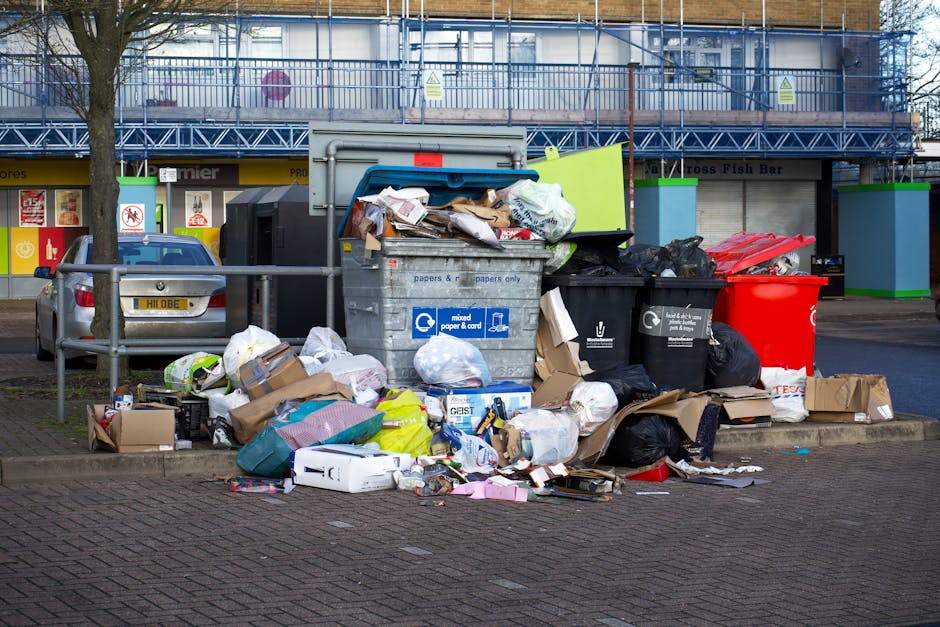
Business waste removal in Pimlico needs a tidy, dependable approach that keeps commercial premises clear without turning disposal into a disruption. We handle routine and one-off clearances for offices, shops, hospitality spaces and managed properties, with practical sorting for mixed waste, bulky items and recyclable materials. The aim is straightforward: remove unwanted business waste efficiently, keep the site presentable and help the space work properly again.
For many organisations, the task is not only about taking items away but about managing them properly. Cardboard, old fixtures, redundant stock, packaging and fitted furniture often need different handling before they leave the building. Our service is designed around those distinctions, so the work can be planned in a way that suits the premises, the volume of waste and the access available.
Use this page to understand the main service, the types of commercial waste we can handle and how a quotation is usually prepared. If you already know what needs clearing, make a brief note of the contents, access and timing and ask for a quote when you are ready. If you are comparing disposal options, the sections below explain the service in practical terms. You can also request a quotation once you have reviewed the details.
Commercial collections for offices, shops and shared premises
Business waste removal is often best arranged as a structured collection rather than an improvised clear-out. Offices may need desks, chairs, filing cabinets and general mixed waste removed together, while retail units may be dealing with packaging, display pieces, shelving or end-of-line stock. We work with the practical side of the job: identifying what can be taken, separating material streams where possible and planning the collection so the premises stay safe and usable.
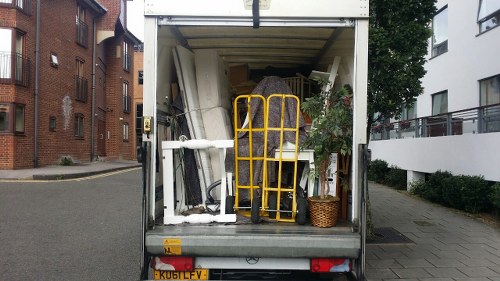
Commercial clearances can also involve items that are awkward to move through corridors, stairwells or service entrances. In those cases, the method matters as much as the final disposal. A useful plan sets out the route, the lifting points and any restrictions on timing or access. That is especially helpful in shared buildings, where loading bays, lifts and common areas may all need to be considered before anything is removed.
When you need business waste removed from Pimlico, the most useful starting point is usually a plain description of the waste itself. If you already know the category, the materials and the quantity, the quotation process can be much more focused. See pricing and quotes for a clear starting point on preparing a request, then come back to the service details that match your premises.
Office clearances and internal strip-outs

Office waste removal usually includes more than a single bin run. A proper clearance may involve redundant IT furniture, partitions, storage units, chairs, monitors, filing and accumulated general rubbish. Some workplaces want just a few items gone; others need a larger clear-out to reset a floor, reduce clutter or prepare for reconfiguration. The service should fit the layout of the building, not the other way around.
Where there are bulky items or a mixture of reusable and non-reusable goods, it helps to separate them before the collection starts. That makes the work more orderly and can reduce the chance of useful materials being mixed into general waste. If confidential paperwork or archived records are part of the load, they need a different handling route, which is why this sort of clearance is best planned with the contents in mind rather than treated as a generic rubbish lift.
For businesses that need a more controlled tidy-up, the service can be organised around departments, rooms or individual items. That makes it easier to clear only what is no longer needed while leaving the rest of the office intact. If your request includes paperwork or records, confidential shredding may be relevant alongside the wider waste removal, depending on what needs to go and how it should be destroyed.
Furniture, fixtures and bulky office items
Many commercial clearances begin with old furniture. Desks, reception counters, shelving, cabinets and soft seating are common examples, and they often need careful removal because of weight, size or awkward shapes. We can deal with single items or fuller furniture loads, including mixed contents where some pieces are still in good condition and others are ready for disposal. The main concern is usually safe movement through the property and correct sorting once the items have been lifted.
Bulky furniture can affect a working environment long before it is physically removed. It blocks storage areas, narrows walkways and makes it harder to maintain a professional appearance. A considered clearance helps reduce that pressure in a single visit rather than leaving the site to manage item by item. Where items are broken, detached or partly dismantled, it may be sensible to group them into an organised collection so the removal is efficient.
If you are comparing furniture-specific disposal with a broader office clearance, the right option depends on how much of the load is furniture and how much is general waste. Some requests are best handled as a dedicated removal, while others belong inside a larger business clearance. Office clearance can be useful when the job is mainly about clearing a workplace rather than disposing of one category of waste only.
Waste types we can sort and remove
Business waste is rarely limited to a single material. A typical collection may include paper, cardboard, packaging, plastics, small metal items, broken fixtures and end-of-use furnishings. The practical task is to identify what is present and decide how each part should be handled. That is why a good commercial clearance is based on more than just the word “rubbishâ€; it looks at the make-up of the load and how it should be moved and processed.
Some loads need extra attention because they contain items with different disposal routes. Mixed materials may be split so that recyclable content is not handled in the same way as general waste. In other cases, the challenge is simply volume: a modest-looking pile can take up far more room once it is lifted and loaded. Clear sorting before collection makes the work more predictable and avoids unnecessary delay on site.
For businesses that want a broader service beyond one room or one department, a general business waste removal page can be a useful place to start. It suits requests where the load is varied and the job is about the practical removal of commercial waste rather than a single specialist item. If the waste is domestic in nature, a different service may be more suitable.
About Pimlico

Pimlico is a district in the City of Westminster, in central London, best known for its ordered Georgian and Regency streets and for a layout that feels distinctly more planned than improvised. The area sits south of Victoria and west of Westminster, with the Thames close by to the south-east. Much of its character comes from the large-scale 19th-century development associated with Thomas Cubitt, whose work helped shape the neighbourhood’s terraces, squares and crescents. These streets create a remarkably consistent urban landscape, especially in the residential core, where pale stucco façades and regular proportions give Pimlico a recognisable identity within central London. The district is also closely associated with the Belgravia and Westminster edges to the north, yet it keeps a separate atmosphere through its quieter grid of streets and garden squares. Eccleston Square, Warwick Square and St George’s Square are among the best-known open spaces, while the river frontage and nearby streets connect the district to broader Westminster life. The area’s transport links, including Pimlico Underground station, add to its role as a compact but well-connected part of the capital. Its architecture, riverside proximity and ordered street pattern remain central to how Pimlico is understood today.
Planning a clearance around access and timing
One of the most important parts of business waste removal is fitting the work around the building. Ground-floor premises, basement units, shared entrances and upper floors each create different access conditions, and the collection needs to respect them. It is often useful to think about lift access, stair width, parking restrictions and any rules that affect loading. That practical picture matters because it helps the job move cleanly from the start.
Timing is equally important when staff, customers or other tenants are on site. Some premises need the clearance done before opening hours, some can accommodate work in a quieter window, and some require coordination with building management. If the premises involve loading bays or managed access points, it is worth noting those details early. If you are preparing an enquiry, a short list of item types and access notes is usually enough to begin. For businesses with recurring waste needs, waste removal provides a broader option when the load is not limited to one room or one kind of item.
Once the practical constraints are clear, the clearance itself can be focused and orderly. That usually gives better results than treating everything as an urgent same-day problem. If you are ready to move forward, keep the request simple and specific. A brief description of the materials, the size of the job and the site access is often enough to request a quotation.
Specialist items and regulated waste
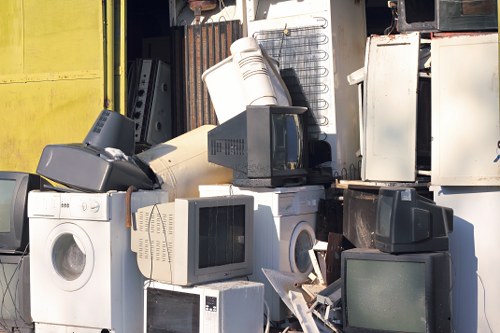
Some commercial waste needs specialist handling because of its material, condition or potential risk. Items such as fridges, appliances, batteries, sharp components or other regulated materials should not be treated like standard office rubbish. They need the right collection method and disposal route, which is why it is important to identify them clearly from the outset. A responsible service will treat those items as separate from general furniture or packaging waste.
Where a business load includes multiple categories, it is often better to break the request into sensible parts. That does not necessarily mean separate visits; it means the work is planned so each type of item is handled correctly. If hazardous or controlled waste is included, the route may differ from ordinary commercial rubbish and the collection should reflect that difference. This keeps the disposal process more orderly and helps avoid confusion on site.
For premises with a mixed load, the useful step is to state the categories clearly rather than assume everything can be taken under one label. If the waste includes items that need specialist handling, mention them in the quote request so the collection can be planned properly. Hazardous waste disposal may be relevant where the contents go beyond routine business refuse and need a distinct disposal process.
Furniture disposal, reuse and recycling choices
Not every item removed from a business premises has the same destination. Some furniture and fittings may be suitable for recycling, while others are destined for general disposal because of condition, material mix or contamination. The practical choice depends on what the item is made from, whether it can be separated into recoverable parts and how damaged it is. A sensible clearance takes those factors into account before the load leaves the site.
Where items are still structurally sound, it may be worth separating them from broken pieces so that the collection is more orderly. That is particularly useful when a workplace is clearing several rooms at once or replacing a full set of fixtures. In contrast, damaged or worn-out pieces often need straightforward disposal without any further sorting on site. The service should reflect the condition of the items rather than applying a one-size-fits-all approach.
If the job is primarily about old desks, chairs, cabinets or other workplace fittings, furniture disposal is a sensible destination to review alongside the main business waste service. For requests that include larger seating or bulky household-style items in a business setting, mattress and sofa disposal may also be useful, depending on what needs to be removed.
How quotations are usually prepared
A quotation for business waste removal is usually based on the type of waste, the amount to be removed and any access conditions that affect the job. Clear descriptions are more helpful than long explanations. If you can identify the main categories, the approximate quantity and whether the load includes bulky or specialist items, that gives a much firmer basis for pricing than a vague request. In many cases, photos or a short written inventory can help describe the work accurately.
It also helps to know whether the clearance is a one-off or part of a repeat pattern. Recurrent waste from a business premises may be handled differently from an occasional tidy-up after an office refresh or stock change. If the job includes several rooms, floors or departments, it is useful to mention that too. The clearer the scope, the easier it is to match the collection to the actual work rather than over- or under-estimating it. One practical note about access, one about contents and one about timing is often enough.
When you are ready to ask for pricing, contact us with the details of the waste, the premises and the type of clearance you need. If you want to compare the scope first, the page on pricing and quotes is also available. A short request is enough to get things moving, and you can then decide whether the service matches your premises and schedule.
Business waste removal for managed buildings and ongoing needs

Managed buildings, shared workspaces and multi-tenant sites often need a slightly more coordinated approach to business waste removal. The key issue is not only the waste itself but the building rules that sit around it. That can include loading arrangements, contractor access, lift protection or the need to avoid busy periods in common areas. A collection that respects those conditions is easier for the building manager and less disruptive for everyone else using the premises.
Ongoing commercial waste needs can also benefit from consistency. When the same types of items appear regularly, it is easier to plan the work once and repeat the same process as required. That suits offices, retail units and other premises where waste builds up in predictable patterns. The service can then focus on removing the load cleanly and leaving the space ready for use again, rather than treating each visit as a brand-new problem.
If you need business waste removal in Pimlico, the next step is simple: note what needs taking, choose the most relevant service page and ask for a quotation. A clear enquiry helps ensure the collection is planned around the right items, the right access and the right disposal route. If the load includes mixed commercial waste, a more detailed service page can help you decide what fits best before you send the request.